
Explore Our CPD Courses
Our CPD courses are designed for qualified counsellors, psychotherapists, and helping professionals who want to deepen their practice, expand their understanding, and continue developing with confidence.
CPD Courses
✳︎
Workshops
✳︎
CPD Courses
✳︎
Workshops
✳︎
CPD Courses ✳︎ Workshops ✳︎ CPD Courses ✳︎ Workshops ✳︎
NEXT DATE: 30th May 2026 10.00am to 3.00pm **
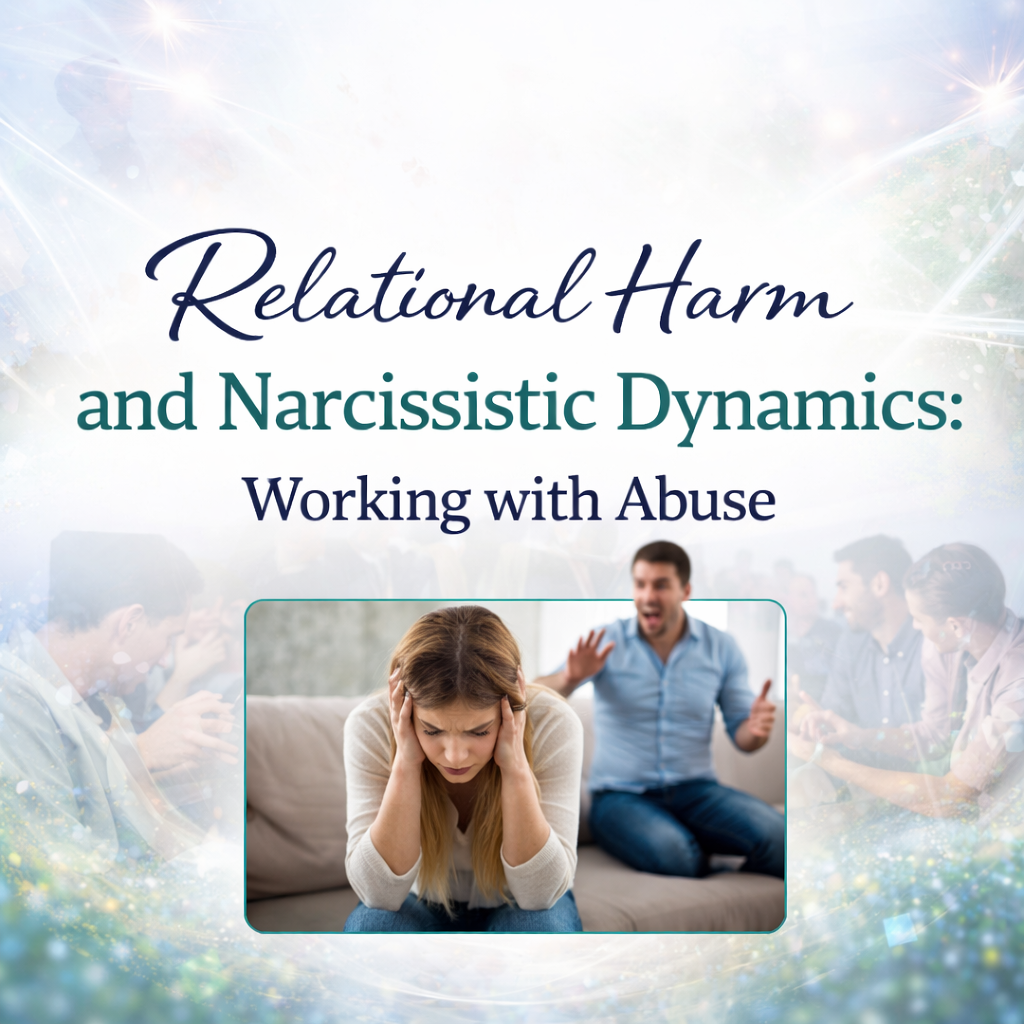
Relational Harm and Narcissistic Dynamics: Working with Abuse
A specialist CPD workshop for qualified counsellors and psychotherapists
Clients affected by narcissistic abuse do not always arrive in therapy naming abuse.
They may present with confusion, chronic self-doubt, trauma symptoms, shame, emotional disorientation, difficulty trusting their own perceptions, or a deeply destabilised sense of self.
This workshop has been created to support therapists in developing a more grounded and clinically informed understanding of narcissistic abuse — including both emotional and physical harm — and how these experiences may present in the therapy room.
Working with Narcissistic Abuse: Recognising Patterns of Emotional and Physical Harm offers a specialist exploration of narcissistic abuse through a relational and trauma-informed lens.
This training is designed to support practitioners in recognising both overt and covert patterns of abuse, understanding their psychological impact, and working more confidently and ethically with clients affected by relational harm.
The workshop will offer both clinical insight and reflective space, supporting you to deepen your understanding in ways that feel relevant, practical, and grounded in therapeutic practice.
INTRODUCTORY OFFER PRICE: £27.80** UNTIL: 17th May 2026
NEXT DATE: 2nd May 2026 10.00am to 3.00pm**
A specialist CPD workshop for qualified counsellors and psychotherapists
Grief is rarely straightforward.
For many clients, loss is layered, unresolved, relationally complicated, or shaped by trauma, attachment wounds, guilt, ambivalence, and the painful reality of what was never fully received.
This workshop has been created to support therapists in deepening their understanding of complex grief and exploring how therapy can hold loss, meaning, and reparation with greater nuance, confidence, and care.
Working with Complex Grief: Loss, Meaning, and Reparation in Therapy offers a specialist exploration of grief beyond linear or resolution-focused models.
This training will consider grief in its many forms, including ambiguous loss, unresolved mourning, disenfranchised grief, and grief shaped by relational complexity or trauma.
It will also explore the concept of reparation, and how therapy can support clients in making sense of loss, restoring meaning, and finding ways to continue living alongside what has been lost.
This workshop is designed to support therapists in holding grief with greater depth, sensitivity, and clinical confidence.
NEXT DATE: 20th June 2026 10.00am to 3.00pm**
A specialist CPD workshop for counsellors and psychotherapists
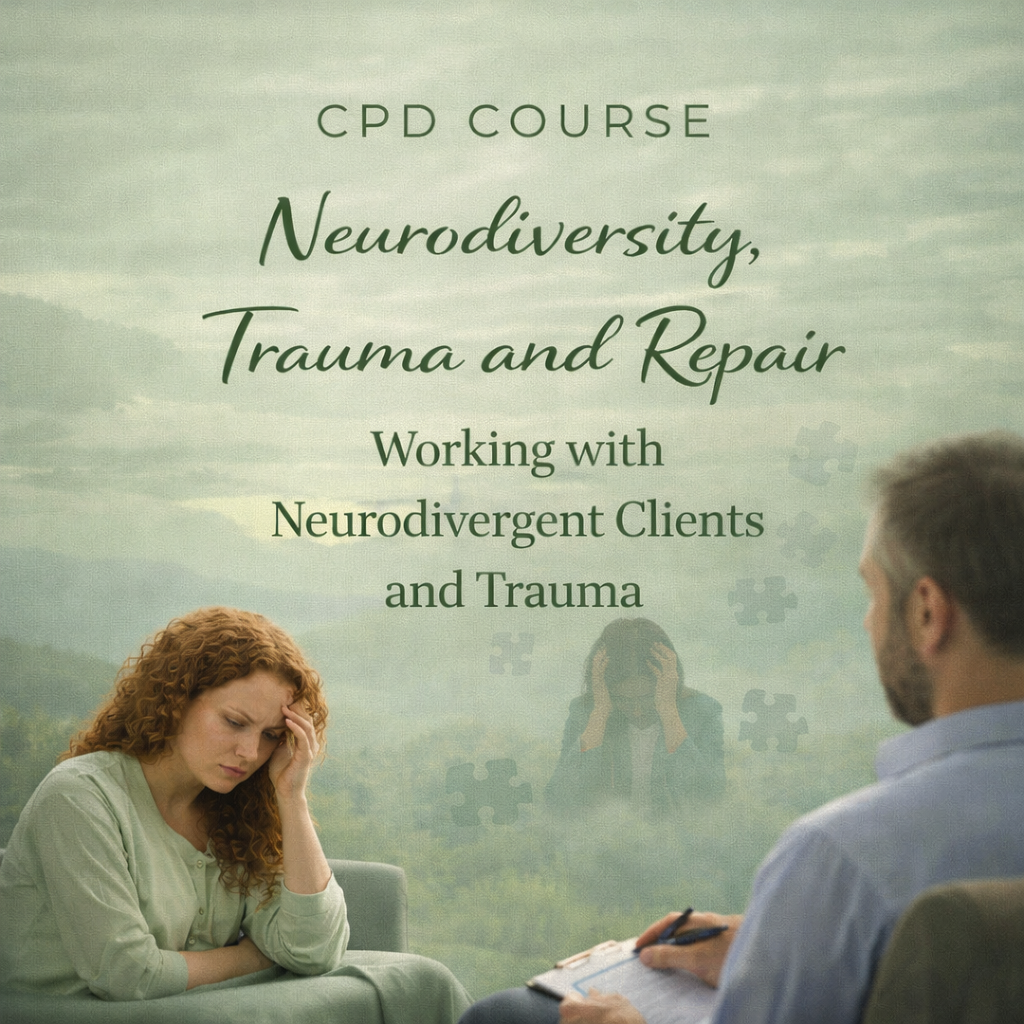
The relationship between neurodiversity and developmental trauma is often complex, layered, and easily misunderstood in therapeutic work.
Clients may present with emotional dysregulation, sensory overwhelm, attachment difficulties, relational rupture, shame, masking, or a longstanding sense of difference or disconnection. At times, neurodivergent experiences and trauma responses can become intertwined in ways that are difficult to separate, yet deeply important to understand.
This specialist CPD workshop is designed for qualified counsellors and psychotherapists who want to deepen their understanding of how neurodiversity and developmental trauma may interact, and how therapy can support experiences of safety, repair, and relational healing.
This workshop offers a reflective and clinically grounded exploration of the intersection between neurodiversity, early relational experience, and developmental trauma.
Together, we will consider how unmet needs, chronic misunderstanding, invalidation, attachment disruption, and trauma may shape a client’s internal world, relational expectations, emotional regulation, and sense of self — particularly where neurodivergence has gone unrecognised, unsupported, or pathologised.
The training will also explore the concept of repair within therapy, and how the therapeutic relationship can offer a space for greater safety, attunement, understanding, and integration.
** All courses currently need to be booked via Eventbrite: https://www.eventbrite.co.uk/o/33510838251 - price includes Eventbrite fee. The full fee after 17th May will be £50.
Our CPD Courses
Relational Harm and Narcissistic Dynamics: Working with Abuse
A specialist CPD workshop for qualified counsellors and psychotherapists
Clients affected by narcissistic abuse do not always arrive in therapy naming abuse.
They may present with confusion, chronic self-doubt, trauma symptoms, shame, emotional disorientation, difficulty trusting their own perceptions, or a deeply destabilised sense of self.
This workshop has been created to support therapists in developing a more grounded and clinically informed understanding of narcissistic abuse — including both emotional and physical harm — and how these experiences may present in the therapy room.
Why this matters in practice
Narcissistic abuse can be subtle, complex, and deeply disorientating for those who experience it.
It often involves patterns of control, coercion, manipulation, gaslighting, blame-shifting, intimidation, emotional destabilisation, and, in some cases, physical harm. These dynamics can have a profound impact on a client’s emotional world, bodily safety, identity, and ability to trust themselves and others.
Because these forms of abuse are often minimised, hidden, or difficult to name, clients may not initially recognise what has happened to them — and therapists may be left holding presentations that are layered, confusing, and difficult to formulate without deeper understanding.
This is an area of therapeutic work that often requires more than generic CPD.
It asks for thoughtful, clinically grounded exploration of relational dynamics, trauma impact, and the nuanced ways harm may show up in therapy.
What we will explore
Together, we will explore:
understanding narcissistic dynamics within abusive relationships
recognising patterns of emotional abuse, coercive control, and manipulation
exploring physical abuse within narcissistic relational systems
the impact of gaslighting, blame-shifting, and psychological destabilisation
how narcissistic abuse may present in the therapy room
supporting clients with shame, self-doubt, trauma responses, and fractured self-trust
ethical and relational considerations in therapeutic work
Who this workshop is for
This workshop is designed for:
qualified counsellors
psychotherapists
therapeutic practitioners working with relational trauma and abuse
clinicians wanting a deeper understanding of narcissistic abuse and its impact
Whether this is an area you work with regularly or one you are wanting to understand more fully, this workshop is intended to offer a thoughtful and professionally grounded space to deepen your practice.
What you’ll leave with
By the end of this workshop, you will have:
a deeper understanding of narcissistic abuse and its clinical impact
greater awareness of how emotional and physical harm may present in therapy
stronger formulation around relational abuse and narcissistic dynamics
increased confidence in recognising patterns that are often difficult to name
a more grounded framework for working therapeutically with clients affected by this form of harm
Workshop details
Title: Working with Narcissistic Abuse: Recognising Patterns of Emotional and Physical Harm
Format: Live online CPD workshop
Audience: Qualified counsellors and psychotherapists
Includes: Live teaching, reflective discussion, and CPD certificate
Neurodiversity, Developmental Trauma and Repair
About this workshop
This workshop offers a reflective and clinically grounded exploration of the intersection between neurodiversity, early relational experience, and developmental trauma.
Together, we will consider how unmet needs, chronic misunderstanding, invalidation, attachment disruption, and trauma may shape a client’s internal world, relational expectations, emotional regulation, and sense of self — particularly where neurodivergence has gone unrecognised, unsupported, or pathologised.
The training will also explore the concept of repair within therapy, and how the therapeutic relationship can offer a space for greater safety, attunement, understanding, and integration.
This workshop is intended to support practitioners in working with greater sensitivity, nuance, and neuro-affirming awareness.
What we will explore
Understanding the relationship between neurodiversity and developmental trauma
How neurodivergent clients may experience early relational environments differently
The impact of chronic misunderstanding, masking, invalidation, and unmet needs
Developmental trauma, attachment disruption, and emotional regulation
Differentiating trauma responses from neurodivergent ways of being
The role of safety, attunement, and relational repair in therapy
Supporting clients in ways that are trauma-aware and neuro-affirming
Who this workshop is for
This workshop is for:
qualified counsellors
psychotherapists
therapeutic practitioners working with neurodivergent clients
clinicians wanting a deeper understanding of trauma, attachment, and relational repair in neurodivergent presentations
Why attend?
This training will support you to:
deepen your understanding of how developmental trauma may intersect with neurodivergence
recognise the impact of chronic relational misattunement and unmet needs
reflect more carefully on formulation, repair, and relational safety
work with greater confidence, sensitivity, and neuro-affirming awareness
support clients in ways that honour both trauma and difference without collapsing one into the other
Learning outcomes
By the end of this workshop, participants will be able to:
describe key ways neurodiversity and developmental trauma may interact
recognise how trauma and neurodivergence may become intertwined in clinical presentation
reflect on the impact of relational misattunement, masking, and invalidation
consider how repair can be supported within the therapeutic relationship
strengthen their confidence in offering trauma-aware, neuro-affirming therapeutic work
Workshop details
Title: Neurodiversity, Developmental Trauma and Repair
Format: Live online CPD workshop
Audience: Qualified counsellors and psychotherapists
Includes: Live teaching, reflective discussion, and CPD certificate

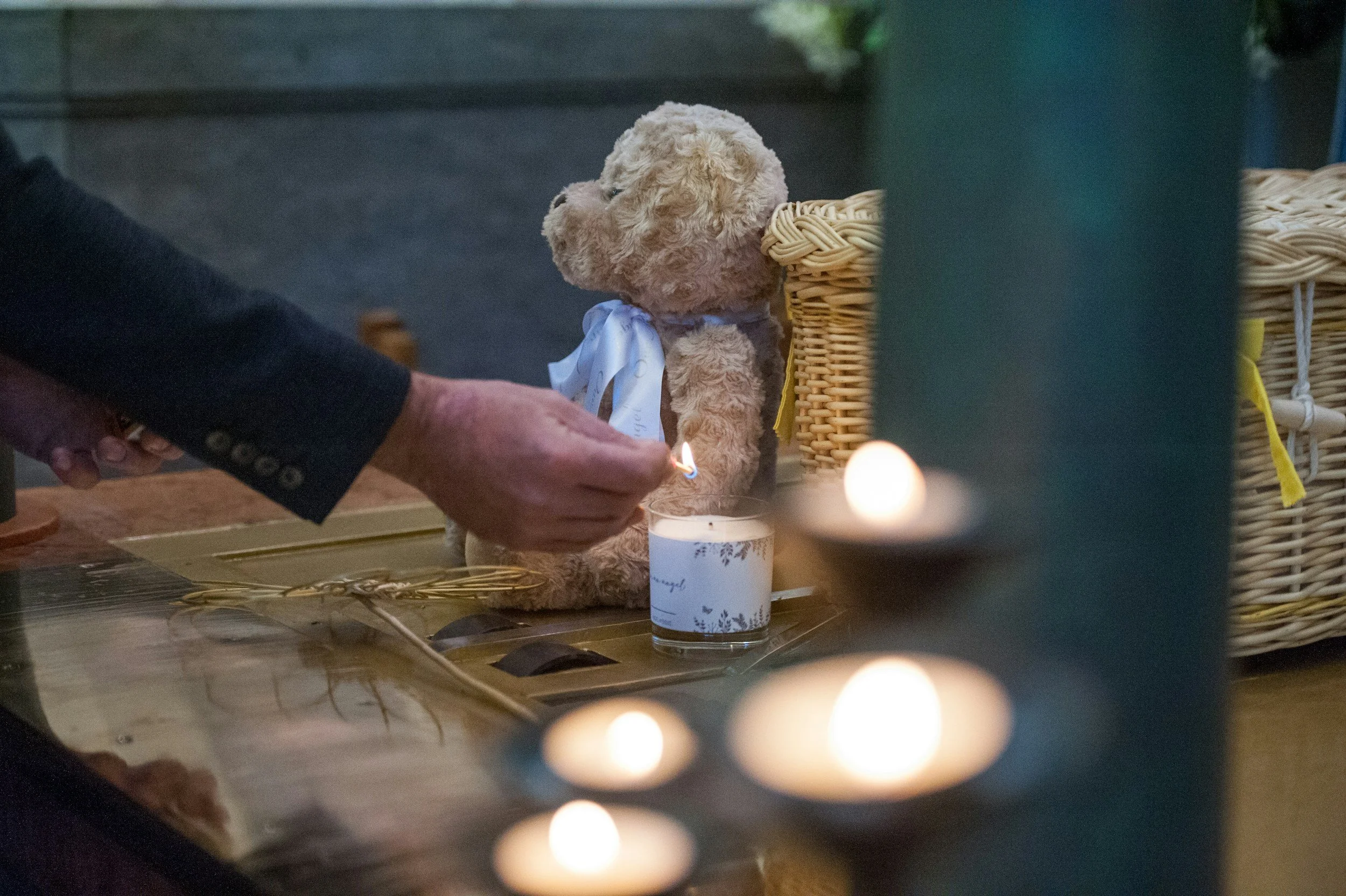

Grief Beyond Resolution: Complexity Meaning and Reparation
A specialist CPD workshop for qualified counsellors and psychotherapists
Grief is rarely straightforward.
For many clients, loss is layered, unresolved, relationally complicated, or shaped by trauma, attachment wounds, guilt, ambivalence, and the painful reality of what was never fully received.
This workshop has been created to support therapists in deepening their understanding of complex grief and exploring how therapy can hold loss, meaning, and reparation with greater nuance, confidence, and care.
Why this matters in practice
Some grief does not move in expected ways.
It may remain unresolved, feel impossible to integrate, or become complicated by trauma, fractured relationships, ambiguous loss, disenfranchised grief, or the emotional weight of what has been broken, missed, or left undone.
Clients may bring grief that is not only about bereavement, but also about absence, longing, unfinishedness, regret, anger, or the loss of what was hoped for but never fully available.
This can be deeply affecting therapeutic work.
And yet, grief is often held within limited or overly simplified frameworks that do not fully reflect the complexity of lived experience.
This workshop has been designed to offer a more reflective and clinically grounded space to think about grief in its layered, enduring, and relational forms.
About this workshop
Working with Complex Grief: Loss, Meaning, and Reparation in Therapy offers a specialist exploration of grief beyond linear or resolution-focused models.
This training will consider grief in its many forms, including ambiguous loss, unresolved mourning, disenfranchised grief, and grief shaped by relational complexity or trauma.
It will also explore the concept of reparation, and how therapy can support clients in making sense of loss, restoring meaning, and finding ways to continue living alongside what has been lost.
This workshop is designed to support therapists in holding grief with greater depth, sensitivity, and clinical confidence.
What we will explore
Together, we will explore:
understanding complex and layered grief presentations
grief complicated by trauma, attachment wounds, or relational conflict
ambiguous loss and disenfranchised grief
the emotional realities of guilt, anger, regret, longing, and unfinishedness
reparation in therapeutic work
meaning-making without forcing closure
holding grief with presence, depth, and sensitivity in the therapy room
Who this workshop is for
This workshop is designed for:
qualified counsellors
psychotherapists
therapists working with grief, bereavement, trauma, and relational loss
practitioners wanting to deepen their confidence in holding complex grief
Whether grief is central to your client work or something you want to feel more equipped to hold, this workshop offers a reflective and clinically grounded space to deepen your practice.
What you’ll leave with
By the end of this workshop, you will have:
a deeper understanding of grief beyond conventional models
greater confidence in recognising and responding to complex grief presentations
a clearer understanding of how trauma and relationship history may shape the grieving process
thoughtful insight into the concept of reparation and its place in therapeutic work
a more grounded framework for supporting grief with sensitivity, depth, and care
Workshop details
Title: Working with Complex Grief: Loss, Meaning, and Reparation in Therapy
Format: Live online CPD workshop
Audience: Qualified counsellors and psychotherapists
Includes: Live teaching, reflective discussion, and CPD certificate

2025
New York
The Atlast Project →
“I have been on a couple of courses lead by Shelley and Raff and they have both been excellent. They were both very informative, thought-provoking and extremely helpful to my therapy work.”
SH, former learner with IntuitiveGet In Touch
If you're interested in working with us, complete the form with a few details about your project. We'll review your message and get back to you within 48 hours.